

Explorar todas as histórias em destaque
Reportagens de longo formato e análises aprofundadas da Copa do Mundo 2026 que vão muito além do placar final. Dissecações táticas de confrontos-chave, comentários culturais sobre o que o futebol significa para diferentes nações, perfis de treinadores, destaques de jogadores e as grandes narrativas que moldam o torneio.
 ★
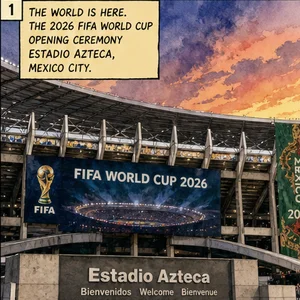
★México 2026: A Cerimônia de Abertura que Abalou o Azteca
Em 11 de junho de 2026, Shakira, Andrea Bocelli e os fantasmas de Pelé e Maradona se encontraram no Estádio Azteca para a terceira cerimônia de abertura de sua história — uma noite de mariachi, fogos de artifício e 48 bandeiras que deu início à maior Copa do Mundo já disputada.
 ★
★As Estrelas para Ficar de Olho na Copa do Mundo de 2026
A Copa do Mundo de 2026 reúne os talentos mais eletrizantes do planeta — superastros, jovens prodígios em ascensão e especialistas em torneios cujas atuações marcarão esta edição por décadas. Este especial apresenta os jogadores imperdíveis em todas as posições e confederações: ícones consagrados em
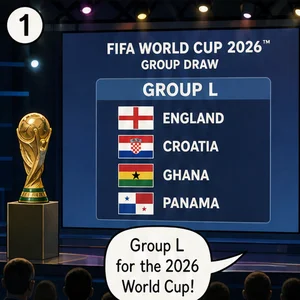 ★
★Análise de Poder do Grupo L: Inglaterra, Croácia, Gana, Panamá
O Grupo L completa o quebra-cabeça da primeira fase do torneio expandido com um quarteto que representa a abrangência global do futebol. Esta prévia analítica examina a trajetória de classificação de cada seleção, suas identidades táticas e jogadores-chave, a dinâmica do grupo, as variáveis climátic
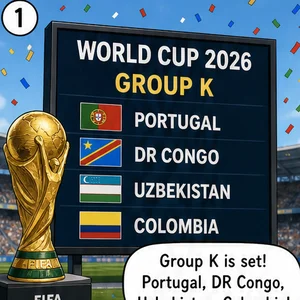 ★
★Análise do Grupo K: Portugal, República Democrática do Congo, Uzbequistão, Colômbia
O Grupo K é um argumento cartográfico disfarçado de sorteio de futebol. Portugal, a nação mais ocidental da Europa continental, um pequeno retângulo da costa ibérica que produziu mais jogadores de futebol de classe mundial per capita do que qualquer outro país, exceto Uruguai e...
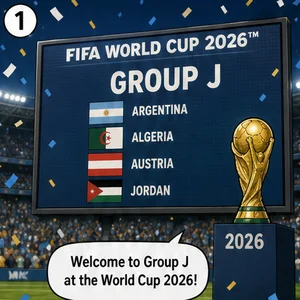 ★
★Análise do Grupo J: Argentina (campeã), Argélia, Áustria, Jordânia
No momento em que os resultados do sorteio do Grupo J da Copa do Mundo de 2026 foram anunciados, eu estava sentado em um café antigo em Buenos Aires chamado "El Viejo Almacén". Lá fora, o som do trânsito na Avenida 9 de Julho se misturava com a melodia do tango. O dono, M
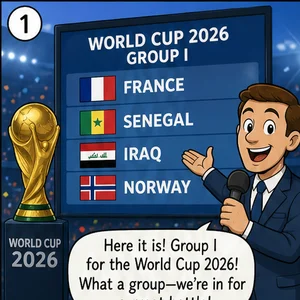 ★
★Análise de Poder do Grupo I: França, Senegal, Iraque, Noruega
Eu estava em Doha quando Kylian Mbappé marcou três gols em uma final de Copa do Mundo e ainda assim perdeu. O Estádio Lusail se esvaziou lentamente naquela noite, as comemorações argentinas ecoando pelos corredores, e em algum lugar no meio da multidão que deixava o estádio estava um atacante francê
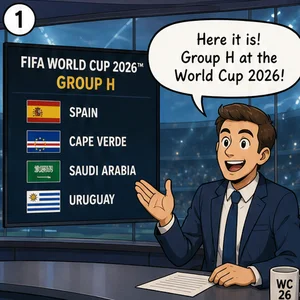 ★
★Análise de Forças do Grupo H: Espanha, Cabo Verde, Arábia Saudita, Uruguai
O sorteio do Grupo H da Copa do Mundo se lê como uma proposição tática precisa: hegemonia tradicional de posse de bola, força emergente de contra-ataque africana, reconstrução sistêmica movida a capital petroleiro e a mais extrema revolução experimental da América do Sul.
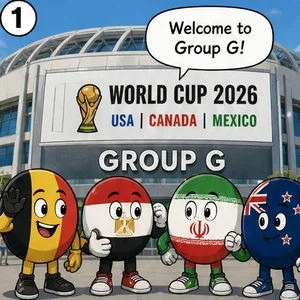 ★
★Análise de Forças do Grupo G: Bélgica, Egito, Irã, Nova Zelândia
O Grupo G reúne Bélgica, Egito, Irã e Nova Zelândia em uma configuração que a lógica matemática do formato de 48 equipes foi especificamente projetada para produzir: uma ex-superpotência em declínio controlado, uma candidata continental construída em torno de um único
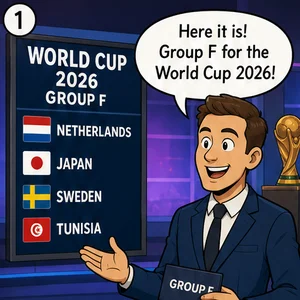 ★
★Análise de Forças do Grupo F: Holanda, Japão, Suécia, Tunísia
O sorteio do Grupo F da Copa do Mundo de 2026 já saiu. Holanda, Japão, Suécia, Tunísia. Um grupo repleto de detalhes táticos, choques técnicos e confrontos físicos. Não é um grupo da morte definitivo, mas cada passo pode ser fatal. Vamos analisar essas quatro seleções.
★México 2026: A Cerimônia de Abertura que Abalou o Azteca
Em 11 de junho de 2026, Shakira, Andrea Bocelli e os fantasmas de Pelé e Maradona se encontraram no Estádio Azteca para a terceira cerimônia de abertura de sua história — uma noite de mariachi, fogos de artifício e 48 bandeiras que deu início à maior Copa do Mundo já disputada.
★As Estrelas para Ficar de Olho na Copa do Mundo de 2026
A Copa do Mundo de 2026 reúne os talentos mais eletrizantes do planeta — superastros, jovens prodígios em ascensão e especialistas em torneios cujas atuações marcarão esta edição por décadas. Este especial apresenta os jogadores imperdíveis em todas as posições e confederações: ícones consagrados em
★Análise de Poder do Grupo L: Inglaterra, Croácia, Gana, Panamá
O Grupo L completa o quebra-cabeça da primeira fase do torneio expandido com um quarteto que representa a abrangência global do futebol. Esta prévia analítica examina a trajetória de classificação de cada seleção, suas identidades táticas e jogadores-chave, a dinâmica do grupo, as variáveis climátic
★Análise do Grupo K: Portugal, República Democrática do Congo, Uzbequistão, Colômbia
O Grupo K é um argumento cartográfico disfarçado de sorteio de futebol. Portugal, a nação mais ocidental da Europa continental, um pequeno retângulo da costa ibérica que produziu mais jogadores de futebol de classe mundial per capita do que qualquer outro país, exceto Uruguai e...
★Análise do Grupo J: Argentina (campeã), Argélia, Áustria, Jordânia
No momento em que os resultados do sorteio do Grupo J da Copa do Mundo de 2026 foram anunciados, eu estava sentado em um café antigo em Buenos Aires chamado "El Viejo Almacén". Lá fora, o som do trânsito na Avenida 9 de Julho se misturava com a melodia do tango. O dono, M
★Análise de Poder do Grupo I: França, Senegal, Iraque, Noruega
Eu estava em Doha quando Kylian Mbappé marcou três gols em uma final de Copa do Mundo e ainda assim perdeu. O Estádio Lusail se esvaziou lentamente naquela noite, as comemorações argentinas ecoando pelos corredores, e em algum lugar no meio da multidão que deixava o estádio estava um atacante francê
★Análise de Forças do Grupo H: Espanha, Cabo Verde, Arábia Saudita, Uruguai
O sorteio do Grupo H da Copa do Mundo se lê como uma proposição tática precisa: hegemonia tradicional de posse de bola, força emergente de contra-ataque africana, reconstrução sistêmica movida a capital petroleiro e a mais extrema revolução experimental da América do Sul.
★Análise de Forças do Grupo G: Bélgica, Egito, Irã, Nova Zelândia
O Grupo G reúne Bélgica, Egito, Irã e Nova Zelândia em uma configuração que a lógica matemática do formato de 48 equipes foi especificamente projetada para produzir: uma ex-superpotência em declínio controlado, uma candidata continental construída em torno de um único
★Análise de Forças do Grupo F: Holanda, Japão, Suécia, Tunísia
O sorteio do Grupo F da Copa do Mundo de 2026 já saiu. Holanda, Japão, Suécia, Tunísia. Um grupo repleto de detalhes táticos, choques técnicos e confrontos físicos. Não é um grupo da morte definitivo, mas cada passo pode ser fatal. Vamos analisar essas quatro seleções.
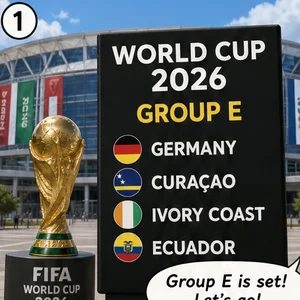 ★
★Análise de Forças do Grupo E: Alemanha, Curaçao, Costa do Marfim, Equador
O Grupo E reúne os Estados Unidos como favorito da casa, o Japão como a equipe mais técnica da Ásia e a Suécia como a azarão mais equilibrada da Europa — formando uma chave onde cada partida parece um mata-mata. Esta análise examina filosofias táticas contrastantes, as estrelas individuais que defin
Análise de Forças do Grupo E: Alemanha, Curaçao, Costa do Marfim, Equador
O Grupo E reúne os Estados Unidos como favorito da casa, o Japão como a equipe mais técnica da Ásia e a Suécia como a azarão mais equilibrada da Europa — formando uma chave onde cada partida parece um mata-mata. Esta análise examina filosofias táticas contrastantes, as estrelas individuais que defin
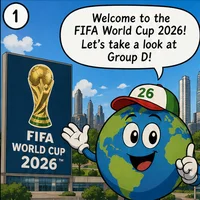
Análise de Forças do Grupo D: Estados Unidos (coanfitrião), Paraguai, Austrália, Turquia
O Grupo D reúne os pesos-pesados sul-americanos Uruguai e Equador, a zebra europeia Turquia e a atual campeã Argentina — um forte candidato a Grupo da Morte. Esta prévia detalhada analisa cada confronto tático, fatores de altitude e deslocamento, rivalidades históricas que aumentam a carga emocional
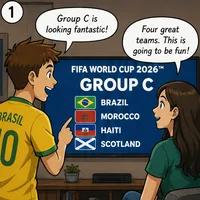
Análise do Grupo C: Brasil, Marrocos, Haiti, Escócia
O Grupo C coloca a busca do Brasil pelo hexacampeonato contra o orgulho continental de Marrocos, o conto de fadas improvável do Haiti e a crença reavivada da Escócia — narrativas tão ricas que nenhum roteirista as inventaria. Esta prévia analisa as identidades táticas, os confrontos da fase de grupo
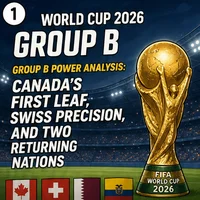
Análise de Poder do Grupo B: A Primeira Folha do Canadá, a Precisão Suíça e Duas Nações de Regresso
O Grupo B apresenta um confronto fascinante: o impulso do Canadá como co-anfitrião, o espírito de dragão da Bósnia, a confiança do Catar vinda da Copa da Ásia e a organização já comprovada da Suíça em torneios. Esta prévia analisa os confrontos táticos, os fatores de viagem e clima que afetam a fase
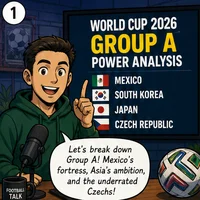
Análise de Força do Grupo A: A Fortaleza do México, a Ambição da Ásia e os Subestimados Tchecos
O Grupo A já entrega drama de primeira: o México sob pressão de ser coanfitrião, a ambição atlética da África do Sul, a intensidade implacável da Coreia do Sul e a organização disciplinada da Tchéquia. Esta prévia analítica examina a identidade tática de cada equipe, as dinâmicas de confronto direto
Qual país tem mais fãs de futebol
Quais países têm os fãs de futebol mais genuínos — não espectadores ou seguidores nas redes sociais, mas pessoas para quem o jogo é central na identidade do dia a dia? Esta pesquisa global mapeia o fanatismo por população, intensidade da paixão e integração cultural, revelando líderes surpreendentes

De quais clubes poderosos vêm os jogadores da Copa do Mundo
Quais clubes de futebol fornecem o maior número de jogadores para a Copa do Mundo de 2026? A resposta revela a arquitetura do desenvolvimento global de talentos — academias, redes de olheiros e caminhos profissionais que canalizam atletas para o maior palco do futebol. Esta reportagem baseada em dad

Escudos das seleções favoritas da Copa do Mundo: cinco emblemas, cinco identidades nacionais
Cada seleção da Copa do Mundo ostenta um escudo que condensa história nacional, tradição futebolística e identidade visual em poucos centímetros quadrados de bordado. Esta matéria analisa a heráldica, os animais simbólicos e as estrelas, as escolhas tipográficas, as histórias políticas embutidas em
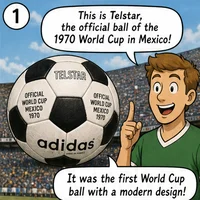
Bolas oficiais da Copa do Mundo: Da bexiga de porco ao microchip
Da bola de couro marrom Tiento, de 1930, à bola com microchip embutido de 2026, a bola da Copa do Mundo reflete a revolução tecnológica do futebol. Este recurso visual traça todas as bolas oficiais do torneio — os designs icônicos Telstar e Tango, os avanços aerodinâmicos, as controvérsias sobre voo
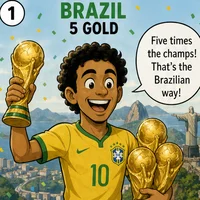
Ranking de Títulos da Copa do Mundo: O Sistema por Trás das Estrelas
Os rankings de títulos da Copa do Mundo revelam a estrutura de poder global do futebol — as cinco estrelas do Brasil, as quatro da Alemanha e da Itália, as três da Argentina — moldando identidades nacionais e alimentando ambições geracionais. Esta análise aprofundada examina a tabela de campeonatos,
Análise de Forças do Grupo D: Estados Unidos (coanfitrião), Paraguai, Austrália, Turquia
O Grupo D reúne os pesos-pesados sul-americanos Uruguai e Equador, a zebra europeia Turquia e a atual campeã Argentina — um forte candidato a Grupo da Morte. Esta prévia detalhada analisa cada confronto tático, fatores de altitude e deslocamento, rivalidades históricas que aumentam a carga emocional
Análise do Grupo C: Brasil, Marrocos, Haiti, Escócia
O Grupo C coloca a busca do Brasil pelo hexacampeonato contra o orgulho continental de Marrocos, o conto de fadas improvável do Haiti e a crença reavivada da Escócia — narrativas tão ricas que nenhum roteirista as inventaria. Esta prévia analisa as identidades táticas, os confrontos da fase de grupo
Análise de Poder do Grupo B: A Primeira Folha do Canadá, a Precisão Suíça e Duas Nações de Regresso
O Grupo B apresenta um confronto fascinante: o impulso do Canadá como co-anfitrião, o espírito de dragão da Bósnia, a confiança do Catar vinda da Copa da Ásia e a organização já comprovada da Suíça em torneios. Esta prévia analisa os confrontos táticos, os fatores de viagem e clima que afetam a fase
Análise de Força do Grupo A: A Fortaleza do México, a Ambição da Ásia e os Subestimados Tchecos
O Grupo A já entrega drama de primeira: o México sob pressão de ser coanfitrião, a ambição atlética da África do Sul, a intensidade implacável da Coreia do Sul e a organização disciplinada da Tchéquia. Esta prévia analítica examina a identidade tática de cada equipe, as dinâmicas de confronto direto
Qual país tem mais fãs de futebol
Quais países têm os fãs de futebol mais genuínos — não espectadores ou seguidores nas redes sociais, mas pessoas para quem o jogo é central na identidade do dia a dia? Esta pesquisa global mapeia o fanatismo por população, intensidade da paixão e integração cultural, revelando líderes surpreendentes
De quais clubes poderosos vêm os jogadores da Copa do Mundo
Quais clubes de futebol fornecem o maior número de jogadores para a Copa do Mundo de 2026? A resposta revela a arquitetura do desenvolvimento global de talentos — academias, redes de olheiros e caminhos profissionais que canalizam atletas para o maior palco do futebol. Esta reportagem baseada em dad
Escudos das seleções favoritas da Copa do Mundo: cinco emblemas, cinco identidades nacionais
Cada seleção da Copa do Mundo ostenta um escudo que condensa história nacional, tradição futebolística e identidade visual em poucos centímetros quadrados de bordado. Esta matéria analisa a heráldica, os animais simbólicos e as estrelas, as escolhas tipográficas, as histórias políticas embutidas em
Bolas oficiais da Copa do Mundo: Da bexiga de porco ao microchip
Da bola de couro marrom Tiento, de 1930, à bola com microchip embutido de 2026, a bola da Copa do Mundo reflete a revolução tecnológica do futebol. Este recurso visual traça todas as bolas oficiais do torneio — os designs icônicos Telstar e Tango, os avanços aerodinâmicos, as controvérsias sobre voo
Ranking de Títulos da Copa do Mundo: O Sistema por Trás das Estrelas
Os rankings de títulos da Copa do Mundo revelam a estrutura de poder global do futebol — as cinco estrelas do Brasil, as quatro da Alemanha e da Itália, as três da Argentina — moldando identidades nacionais e alimentando ambições geracionais. Esta análise aprofundada examina a tabela de campeonatos,